Case studies

Jal Kavach in the field

What it takes to get safe water into the hands of the families who need it, from government school taps in Andhra Pradesh to river villages in Assam and desert posts in Rajasthan. Much of this work is done alongside leading philanthropic and corporate foundations.

Where Jal Kavach has reached Map of India marking community programmes in Andhra Pradesh, Assam, Bihar, Jharkhand, Madhya Pradesh, Maharashtra, Odisha, Puducherry, Punjab and Chandigarh, Uttar Pradesh and West Bengal, and work with the forces in Rajasthan and Arunachal Pradesh. Visakhapatnam Visakhapatnam Dhubri Dhubri Guwahati Kotma Kotma Karaikal Karaikal Mirzapur Pirpainti Dhamra Gopalpur Banka Jehanabad Nagpur Bhubaneswar Chandigarh Durgapur Chapra Ranchi Varanasi Kanpur Patna Bihar Jaisalmer Jaisalmer Itanagar
Community programmes With the forces
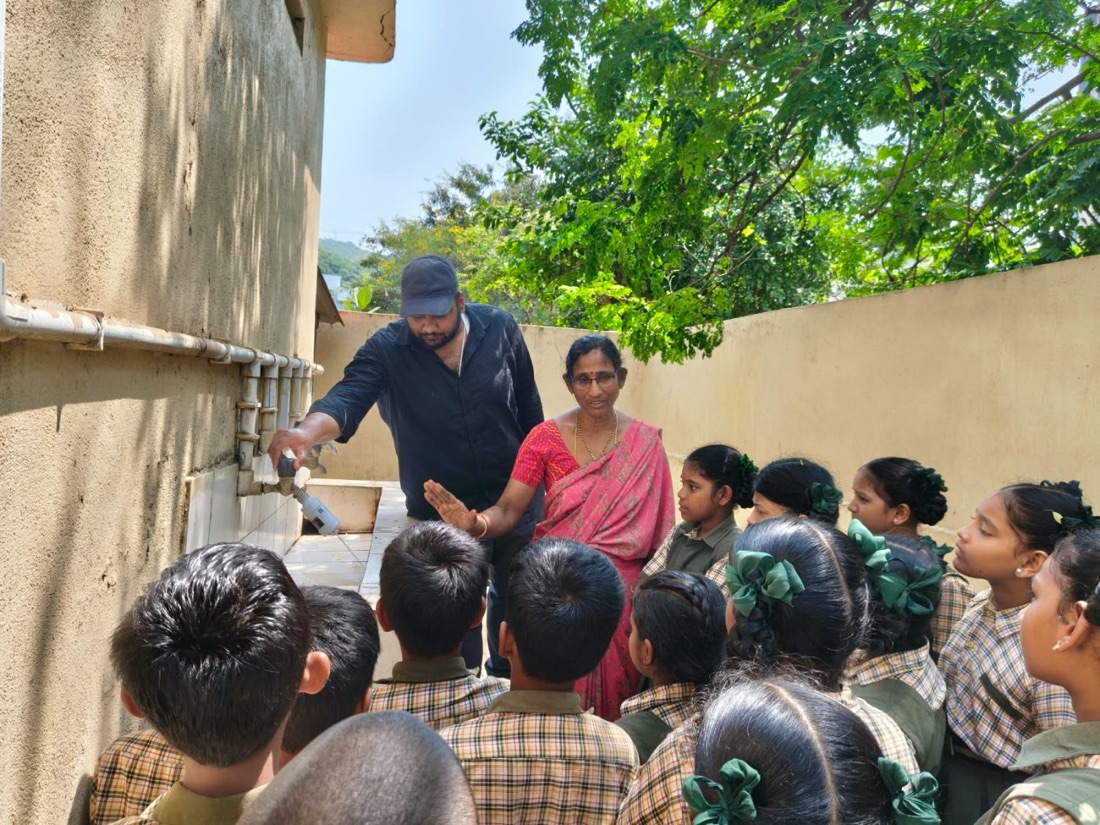
A DetoXyFi team member shows schoolchildren and their teacher how Jal Kavach works on the school tap
Visakhapatnam district Children gather round as the filter goes onto their school tap. Photograph: DetoXyFi field team.

Visakhapatnam district, Andhra Pradesh · October 2026

Teaching safe-water habits at the school tap

Partner
Corporate foundation, CSR programme
How
Classroom sessions with teachers and children at the school tap
Result
The habit is taught at school and carried home

As part of a corporate foundation’s CSR programme, our India team ran Jal Kavach sessions in government primary schools across Visakhapatnam district. Teachers and children learned how the filter fits onto the existing school tap, how to use it every day and how to look after it so it keeps working.

Starting in the classroom matters. Children carry the habit home, and teachers keep reinforcing it long after our team has left. Because Jal Kavach needs no electricity and no plumbing work, it goes straight onto taps that have never had a purifier.
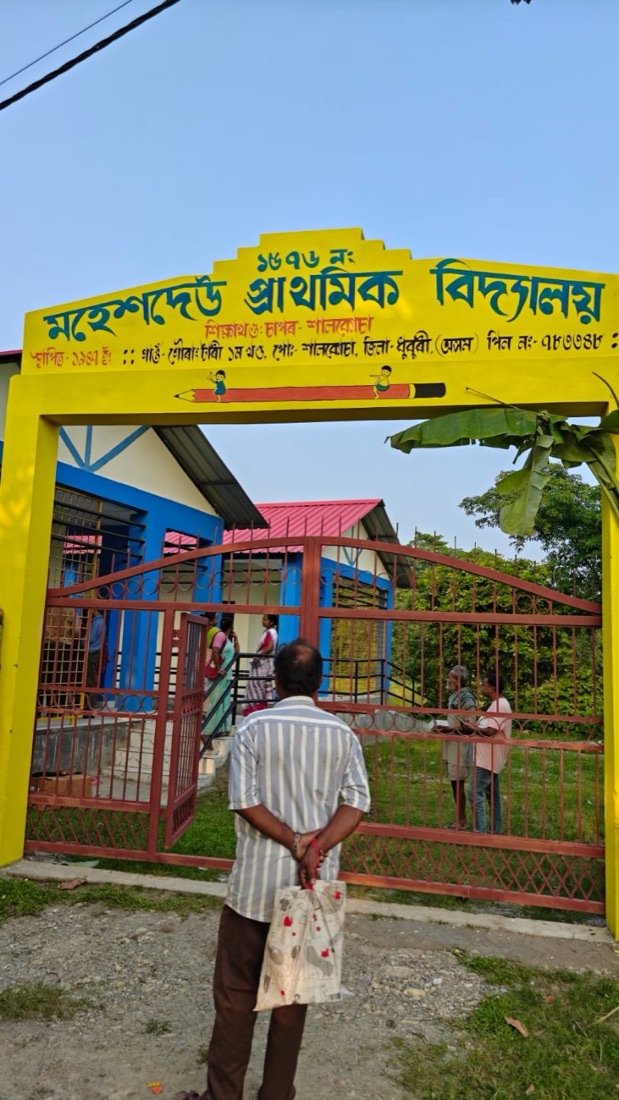
The hand-painted gate of a primary school in Dhubri district, Assam
Chapar, Dhubri The hand-painted gate of a village primary school, one of the distribution points. Photograph: DetoXyFi field team.

Chapar, Dhubri district, Assam · October 2026

150 filters in two days in Assam’s river villages

Partner
Corporate foundation, CSR programme
How
Demonstrations and household distribution, then handover
Result
The foundation’s own staff now run distribution

In the riverine villages around Chapar, families collect drinking water from very muddy sources. Working with a corporate foundation’s CSR team, we ran demonstrations and handed out about 150 Jal Kavach filters across six villages in two days, showing every household how to fit and use it.

The most important result came afterwards. Having seen how simple the filter is to set up and explain, the foundation’s own field staff now run the rest of the distribution themselves. That handover is what lets a programme grow without our team at every doorstep.

  • ~150filters
  • 6villages
  • 2days

Dhubri district, Assam · October 2026

The Assam visit, in pictures

Phone photos from the field team, as they were sent: the places families get water, the health centre and panchayat offices where filters were handed out, and the people who came. Shared with our partner’s permission.

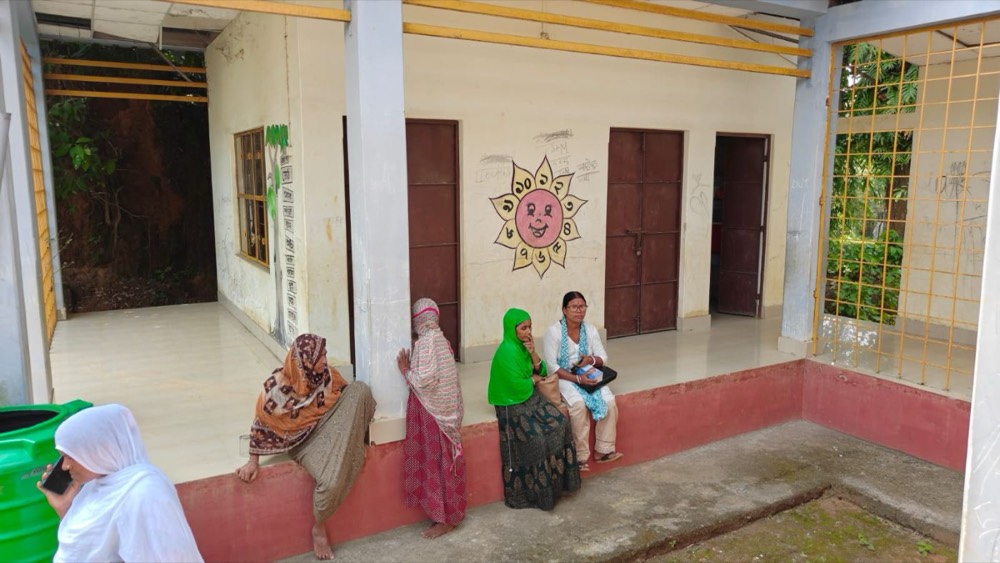
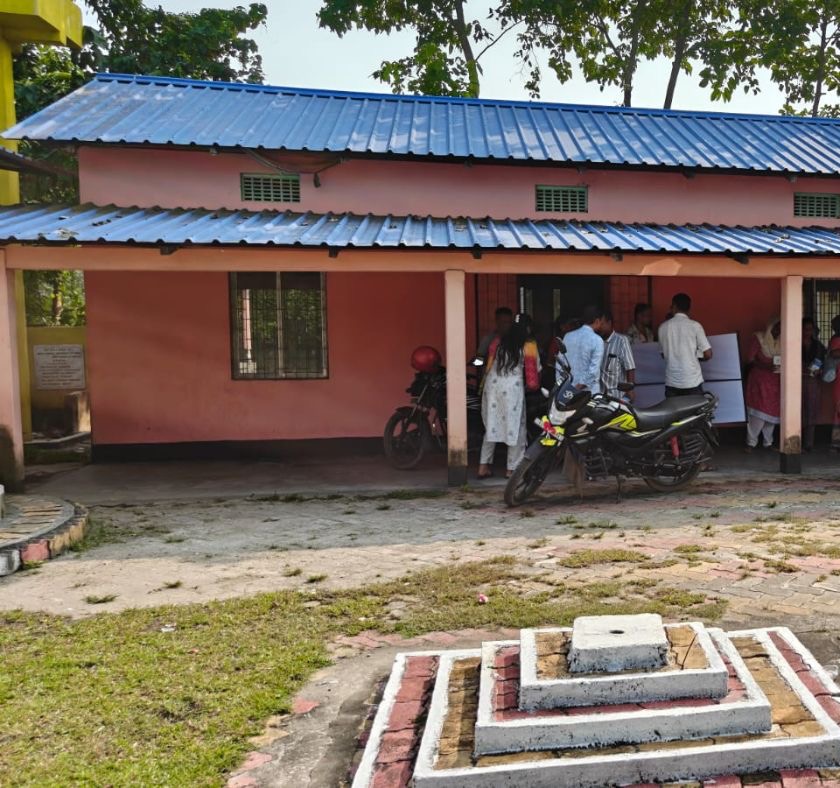
People gathered on the veranda of a pink single-storey panchayat building in Dhubri district
Dhubri district Families gather at a panchayat building for a demonstration.
Women in saris and headscarves sitting on the ledge of a community hall
Dhubri district Women waiting their turn at the community hall.
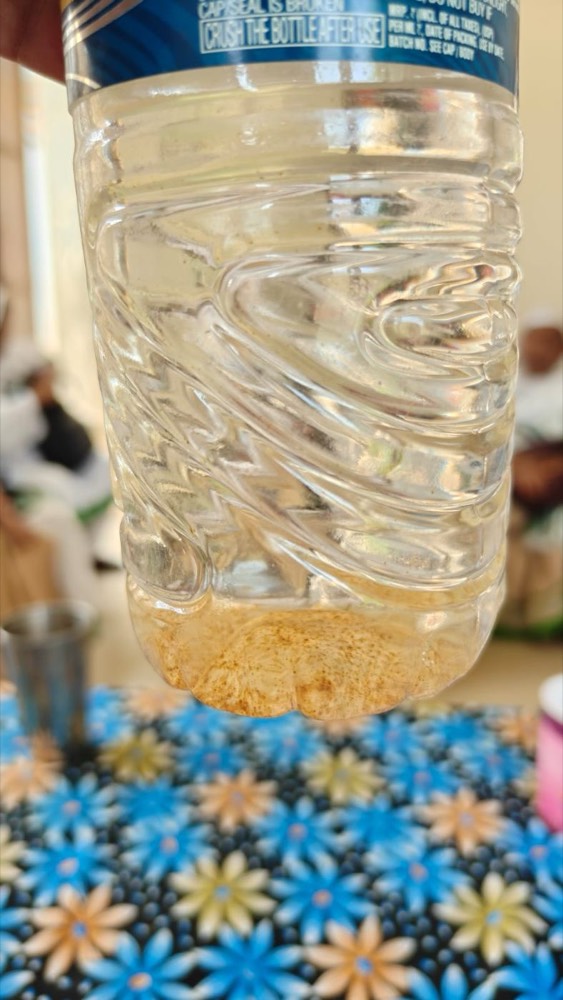
A clear plastic bottle of water with a layer of brown silt settled at the bottom
Dhubri district Water collected from a local source, with the silt settled at the bottom.
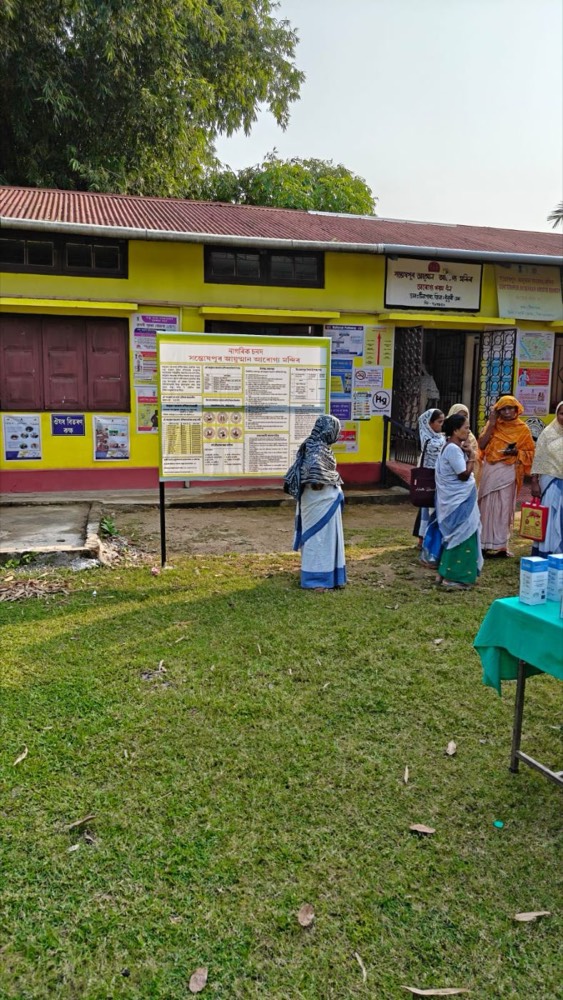
Women in white and blue saris outside a yellow village health centre, with filter boxes on a table at right
Santoshpur, Dhubri Outside the Ayushman Arogya Mandir, the village health centre. The filter boxes are on the table at right.
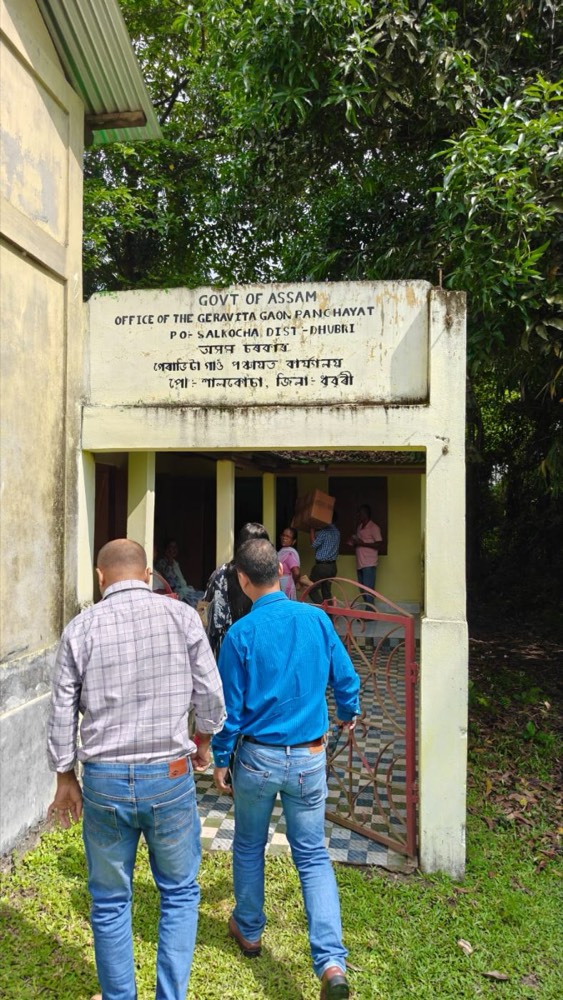
Two men walk through the gate of the Geravita Gaon Panchayat office while a carton is carried inside
Geravita Gaon Panchayat, Salkocha Cartons of filters going into the panchayat office.
A village pond fringed with trees and grass
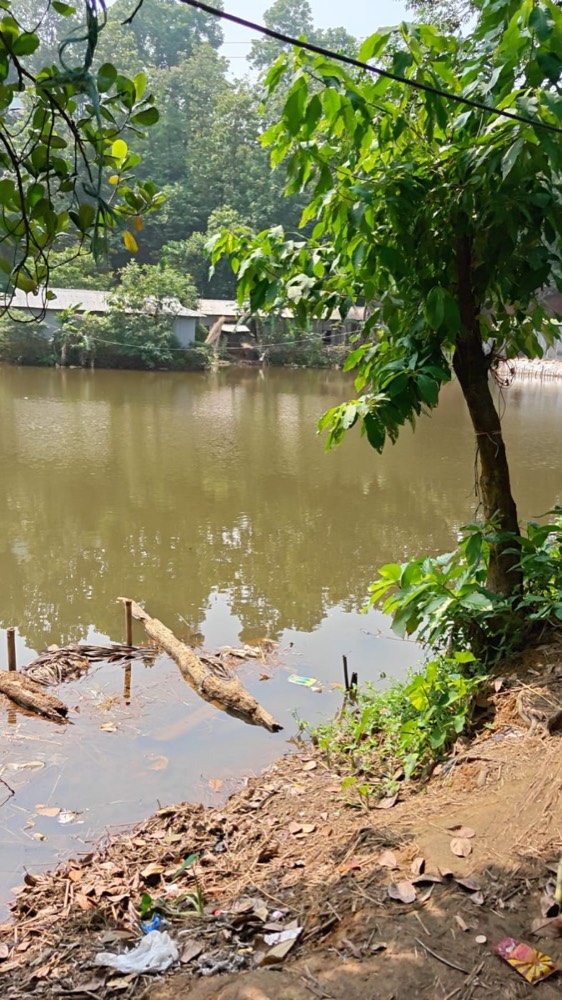
Dhubri district Ponds like this are among the local water sources.
An old open well with a cracked concrete rim
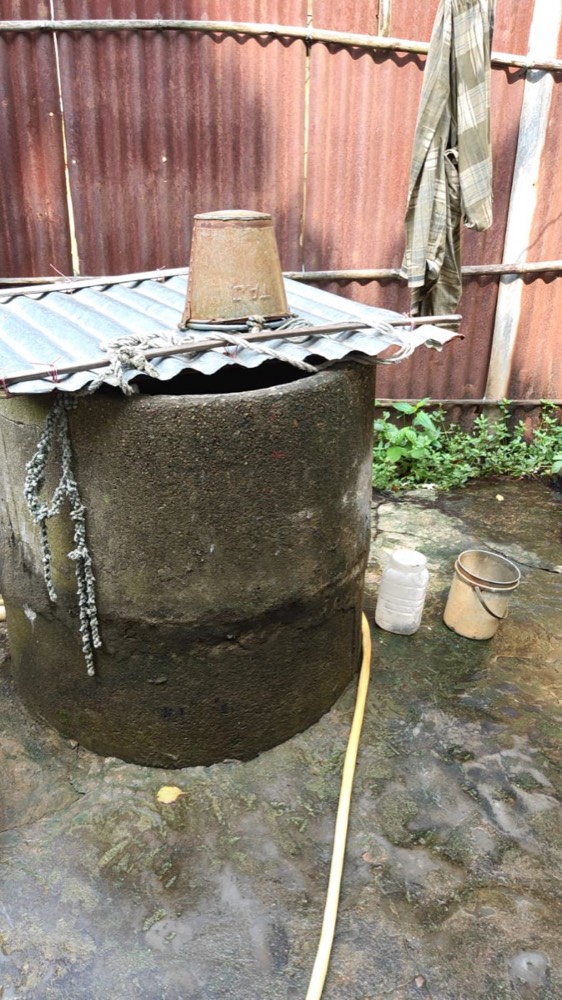
Dhubri district An open well near the houses.
A weathered foundation stone in front of the Salkocha gaon panchayat building
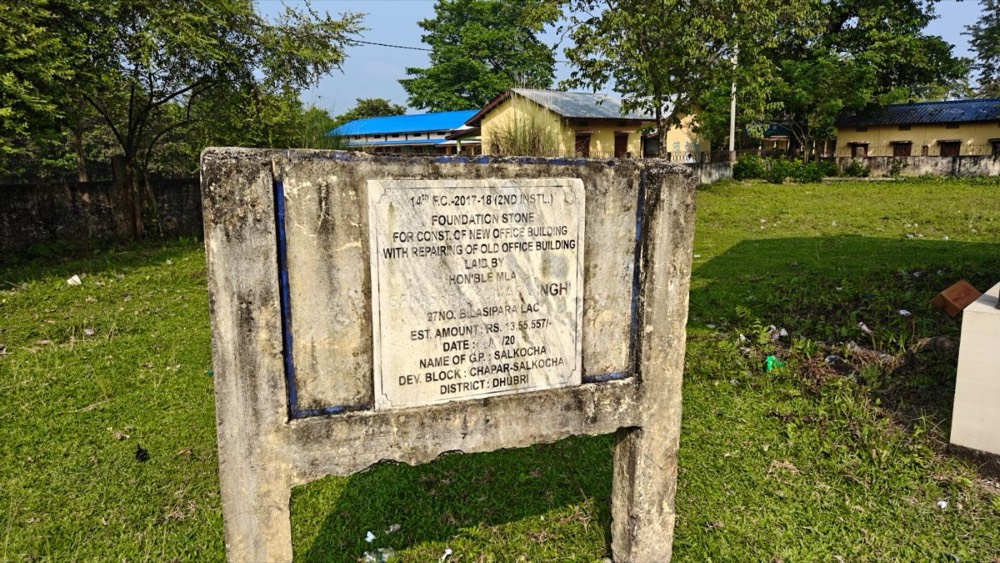
Salkocha, Dhubri The foundation stone at the gaon panchayat.
A brick path beside a bamboo fence leading to a sanitary complex
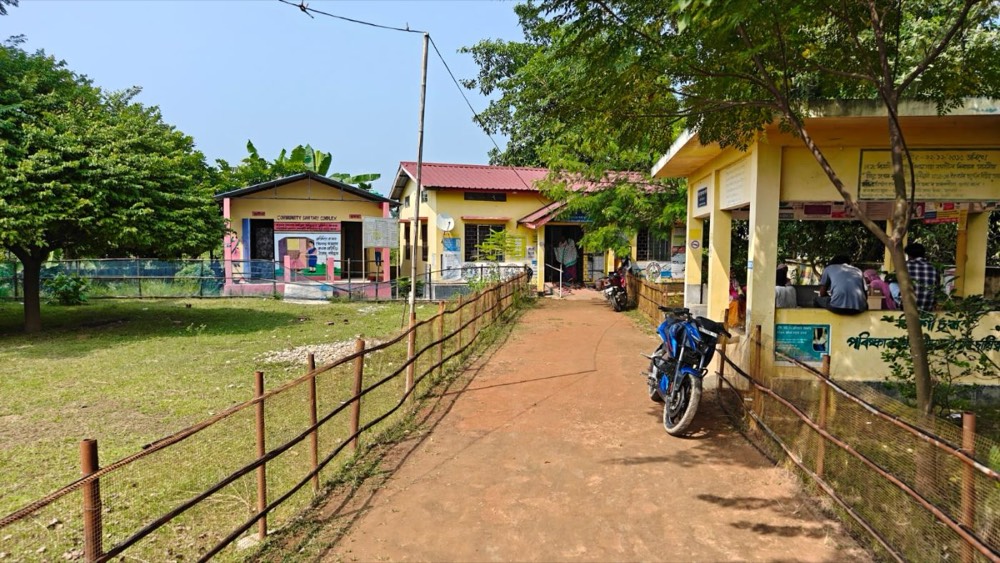
Dhubri district The path to the village sanitary complex.
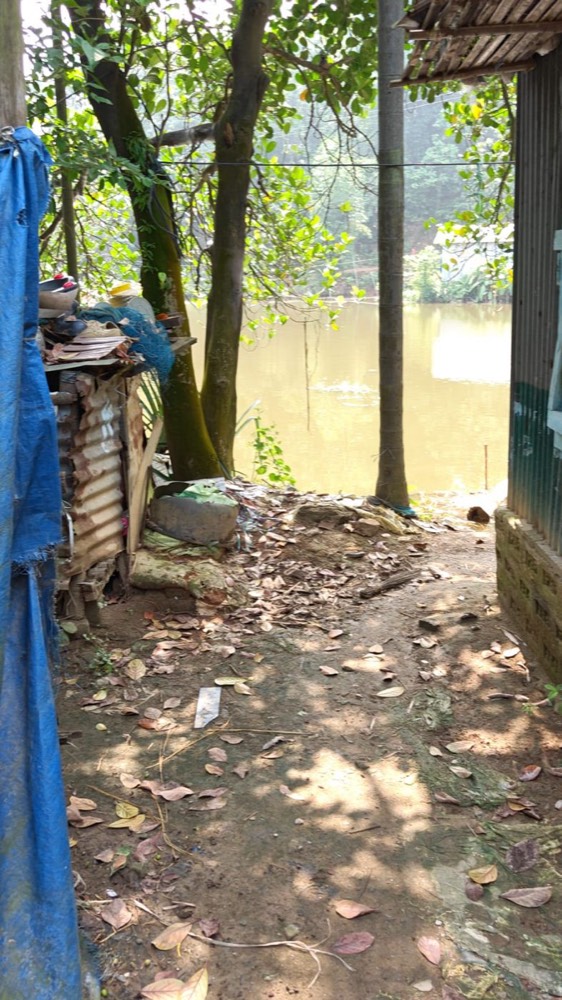
A second pond seen between tree trunks, with a blue tarpaulin at left
Dhubri district Another pond, a short walk from the first.
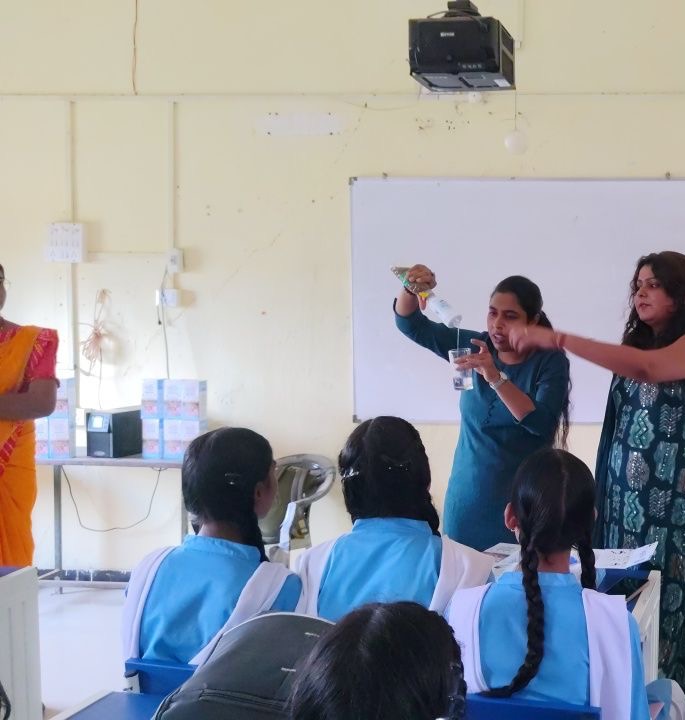
A woman from the team pours water through a bottle filter in front of a class of schoolgirls in blue uniforms
A school classroom Showing schoolgirls how the bottle filter works, the same week.

Kotma, Anuppur district, Madhya Pradesh · October 2026

A school, a hospital, and the end of cloth-straining

Partner
Corporate foundation, CSR programme
How
Demonstrations at a school, the hospital and nearby villages
Result
A doctor recorded a video; families stop cloth-straining

In Kotma we demonstrated Jal Kavach at a higher secondary school and at the local hospital, where a doctor joined in and recorded a short video with our team.

In the villages nearby we met women who strain their family’s drinking water through a cloth or a tea strainer every single day. They were glad to give up the daily straining and the washing of the cloth that goes with it. It is a small change, and it gives back time every day.

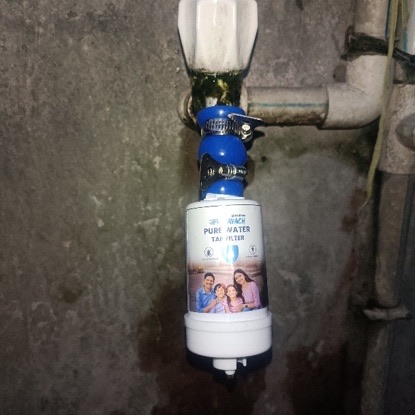
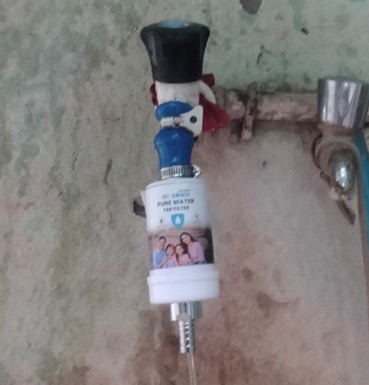
A Jal Kavach filter fitted to a home tap in Banka district, Bihar A Jal Kavach filter fitted to a home tap in Jehanabad district, Bihar
Banka and Jehanabad, Bihar Filters fitted at scholars’ homes.

10 states, from Bihar to Odisha · January to July 2026

1,000 filters for rural scholars and their families

Partner
Family foundation, scholarship programme
How
Tested in coordinators’ homes, then distributed at training camps
Result
Rated 4.3/5; 86%+ saw clearer water

A family foundation’s scholarship programme wanted its students, many from villages without safe water, to take a filter home. We started small: ten sample units went to state coordinators’ homes in ten states for testing. Then 1,000 filters were handed out at the programme’s training camps in 13 locations, where scholars learned how to use them before carrying them home.

In the early survey, the 101 households who answered rated Jal Kavach 4.3 out of 5 on average: 57 gave it 5, 32 gave 4, 7 gave 3 and 5 gave 1 or 2. More than 86% said their water now looked visibly clearer. “We are no longer afraid of waterborne sickness,” one family wrote. One family in Bihar had been buying bottled water because their tap water ran cloudy. They now get clear water from their own tap.

  • 1,000filters
  • 10states
  • 86%+saw clearer water
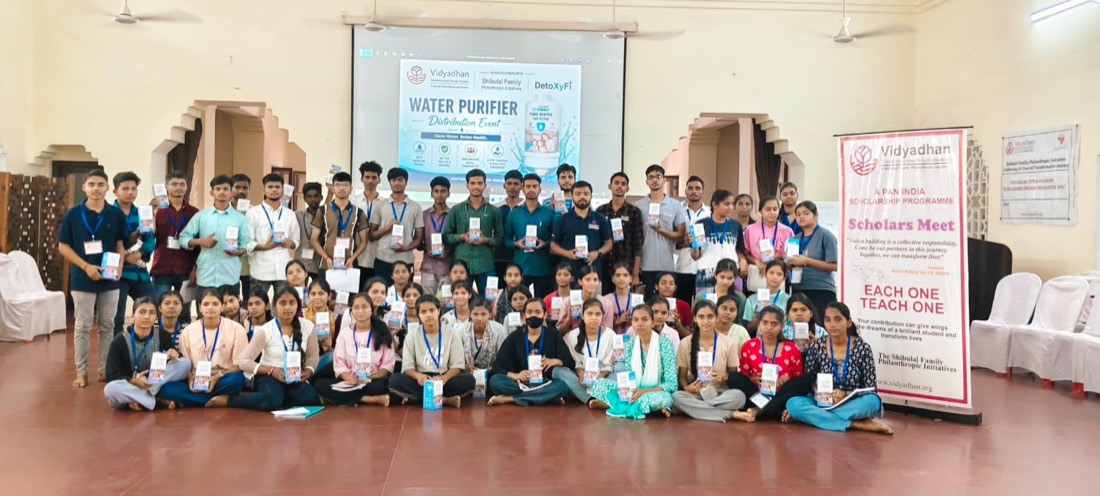
About sixty scholars in a hall, each holding up a boxed Jal Kavach filter, in front of a projector slide reading Water Purifier Distribution Event and a Vidyadhan scholarship banner
Scholars Meet, May 2026 Scholars with the filters they carried home. The slide behind them is the event poster from the Shibulal Family Philanthropic Initiatives’ Vidyadhan programme.
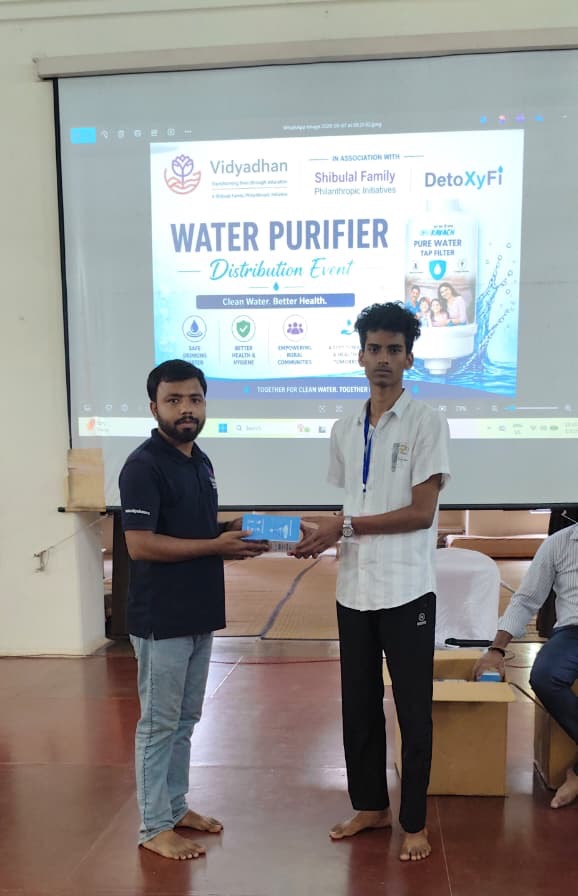
A DetoXyFi team member hands a boxed filter to a scholar in front of the event slide
One filter, one scholar: handing them out one by one.
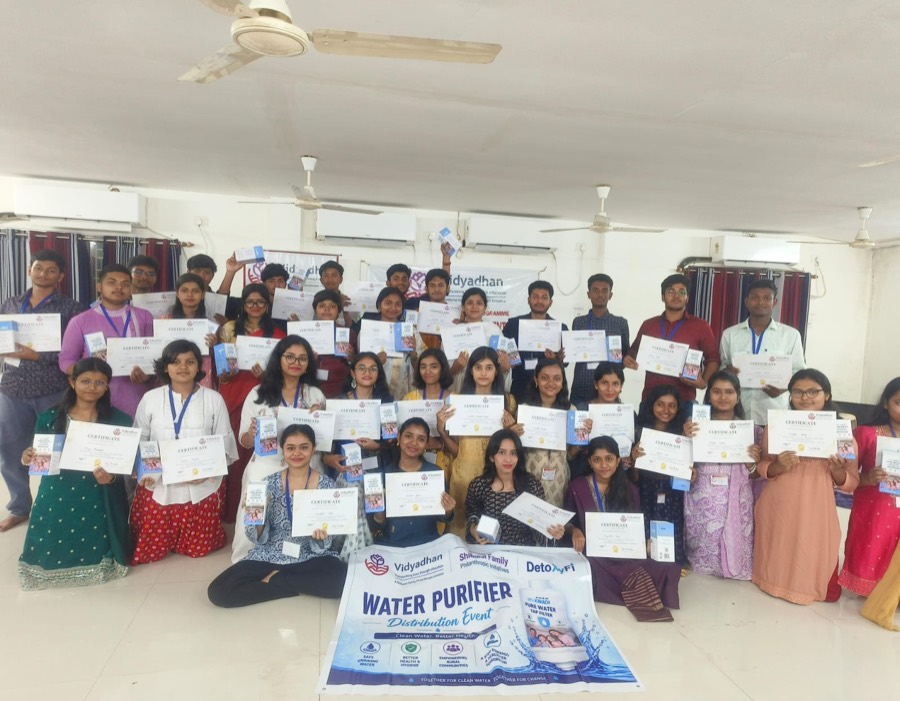
Scholars holding up their training certificates and Jal Kavach boxes behind a Water Purifier Distribution Event banner
At another camp, scholars with their training certificates and filters, May 2026.

Seven states and Puducherry · 2026

10,565 filters for one programme

Partner
Corporate foundation
How
Manufactured, shipped to ten sites, local staff trained
Result
All 10,565 filters shipped to ten sites by October 2026

One of India’s largest corporate foundations chose Jal Kavach for the communities around its sites in eastern, central and southern India. We manufactured and shipped 10,565 filters to ten delivery points, from Karaikal in Puducherry to Dhubri in Assam. The last batch reached its site in October 2026.

At each site our team trains the foundation’s local staff and runs launch demonstrations in schools, hospitals and villages, as in Visakhapatnam, Chapar and Kotma. From there, the foundation’s own staff take the filters to families.

  • 10,565filters manufactured and shipped
  • 10delivery sites, from Karaikal to Dhubri
  • On-groundtraining for local staff

With the armed forces

Soldiers on patrol need safe water where there are no taps, no power and no time. That is exactly where a pocket-sized filter earns its place.

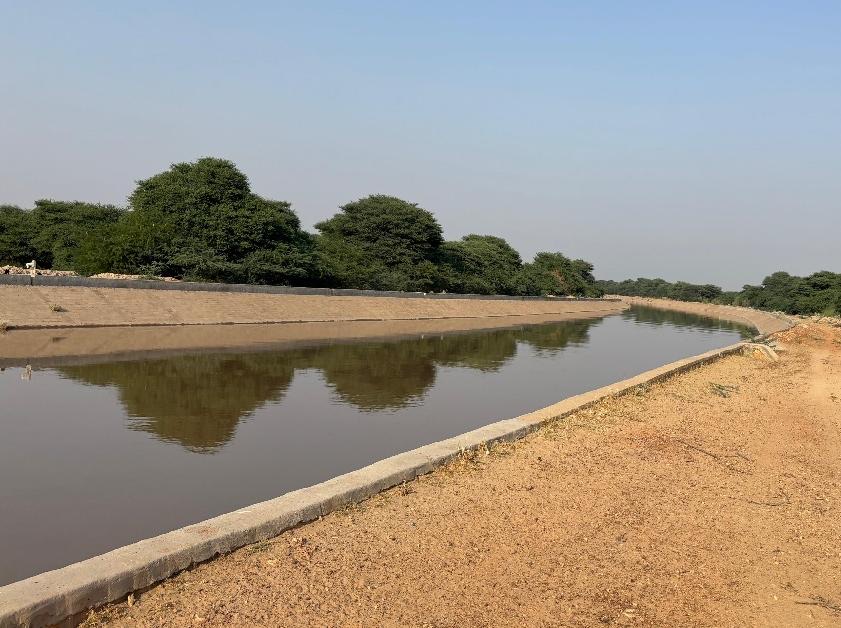
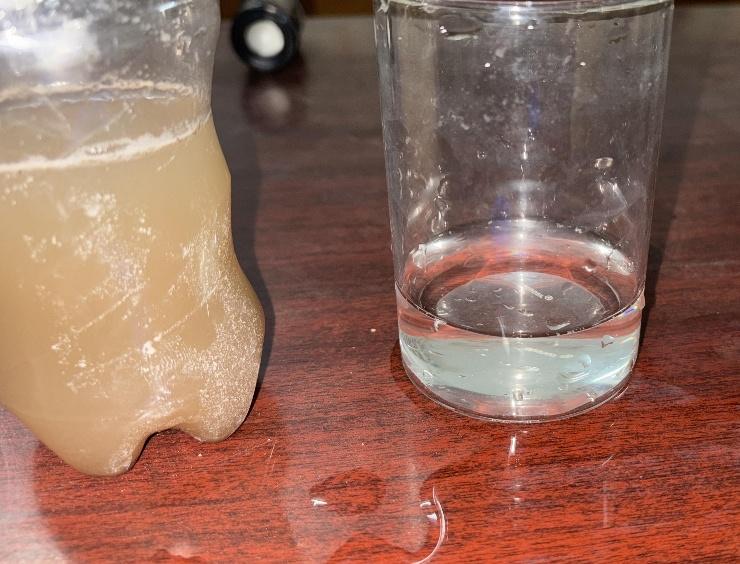
An irrigation canal near Jaisalmer, Rajasthan, where water was sampled Muddy canal water in a bottle next to a glass of clear water after filtering through Jal Kavach
Near Jaisalmer The canal we sampled, and its water before and after one pass through the filter.

Jaisalmer, Rajasthan · October 2025

A field demonstration with the Indian Army in the Thar Desert

At an Army training area near Jaisalmer, we demonstrated Jal Kavach to soldiers and senior commanders, including a live test with dusty water. Soldiers told us they need 4 to 5 litres a day on operations and carry it in jerry cans, while the Army’s large purifiers are truck-mounted and run on diesel. Officers were most interested in what a pocket-sized filter could mean on reconnaissance and disaster relief: each soldier making their own safe water, with no fuel and no truck. Canal water collected nearby came out clear.

An order from an infantry battalion

In June 2025 an Indian Army infantry battalion placed a supply order for Jal Kavach tap and bottle filters.

ITBP field trial, North-East

The Indo-Tibetan Border Police ran a field trial with its formations in the North-East. Their feedback, a tougher body with belt loops and a larger cartridge for long deployments, is going into a ruggedised version.

Indian Navy trial

Tap filters are in a no-cost, no-commitment field trial with the Indian Navy.

Available on GeM

Jal Kavach is listed on the Government e-Marketplace (product ID 5116877-6200555098) for procurement by government buyers.

Sent from the field

Short videos the team shot on their phones, shared here as they came in. No editing, no music.

September 2025 Muddy pond water in, clear water out, through the bottle filter.
May 2025 The tap filter on an outdoor tap, filling a bottle.
July 2025 Filtering into an ordinary bottle, out in the open.

How we know it’s working

  1. Before We look at the water at your sites, and tell you if Jal Kavach isn’t the right answer for it.
  2. During Every filter is recorded against a household, school or health centre, with photographs from the distribution.
  3. After We ask families how they use it, how it flows and how the water looks. The first survey’s results are just below.

What do families who use Jal Kavach say about it?

The fullest answer we have is one survey. In 2026 our scholarship programme asked the families who had taken a filter home, and 101 households answered. On average they rated Jal Kavach 4.3 out of 5: 57 gave it 5, 32 gave 4, 7 gave 3 and 5 gave 1 or 2. More than 86% said their water looked visibly clearer.

“The water purifier itself works great and the water tastes amazing. We are no longer afraid of waterborne sickness.”

A scholar’s family, from the programme’s feedback survey, 2026

This is one programme’s survey. It tells you about use and satisfaction, not health outcomes, and we say so in our reports. For the filter itself, see the independent lab results and the Shriram Institute test report (PDF).

Planning a water programme? Send me a few lines about the communities you serve and the water they drink. We’ll work out together whether Jal Kavach belongs in it, and where it doesn’t.

Dhananjay Goel, co-founder

WhatsApp us